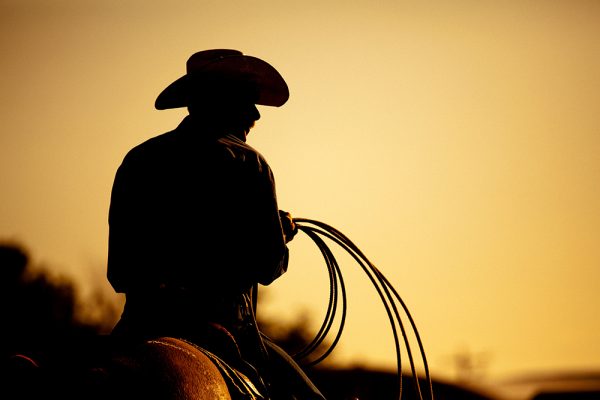
Photo courtesy © Linda Dufurrena

“Rangelands and herbivory coevolved as part of a natural system. Grazing is a fundamental biologic process and is the basis of the food chain. Grass evolved to be eaten. It is a renewable resource, grows from sunlight and water and needs to be harvested just like a lawn needs to be mowed. Ranchers are resident caretakers of brush, grass and grazers. Did God make a mistake in making these grazing animals?”


J. Wayne Burkehardt, PH.D,
Professor, Range Management,
University of Nevada, Reno


Nevada Rangeland Monitoring Handbook 2006

Rancher's Monitoring Guide


Nevada Grazing Coalition Reference Library

Fire Closure White Paper and recommendations for developing grazing strategies for the Charleston Complex Fire

Livestock Grazing After Wildland Fire

Recommendations for Developing Grazing Strategies For the Charleston Complex Fire

Recent Closures - BLM

Elburz Fire Environmental Assessment

Mudd Fire Environmental Assessment

Sneekee Fire Environmental Assessment

LIVESTOCK GRAZING AFTER WILDLAND FIRE - Related Literature

Bucksnort "After the Fire" Noxious Weed Grazing Project

Effects of Grazing after Fire in Sagebrush Steppe Communities

Helping drought-stressed rangeland recover from fire

Fire and Grazing Effects on Wind Erosion, Soil Water Content, and Soil Temperature

Emergency Fire Rehabilitation of BLM Lands in the Great Basin: Revegetation & Monitoring

Managing Western Snowberry and Trembling Aspen on Native Grasslands

Checklist of Considerations for Post-Fire Management

Fire Rehabilitation and Restoration

Effects of Invasive Alien Plants on Fire Regimes

Measuring Plant Diversity in the Tall Threetip Sagebrush Steppe: Influence of Previous Grazing Management Practices

Public Rangelands Management Act of 1995

Purshia DC. ex Poir. bitterbrush and cliffrose

Yellow Starthistle is Invading Nevada!

LIVESTOCK GRAZING AFTER WILDLAND FIRE - Available Citations

Length and Timing of Grazing on Postburn Productivity of Two Bunchgrasses in an Idaho Experimental Range, SC Bunting, et al

How Long Should Rangelands Be Rested From Livestock Grazing Following A Fire? A Viewpoint, Kenneth D. Sanders

Out of Ashes, An Opportunity, BLM

Western Rangelands Reform: An Analysis of the 1996 Senate Vote On Federal Grazing Fees

National Fire Plan Executive Summary

Managing the Impact of Wildfires on Communities and the Environment


Martin Basin Environmental Impact Statement and Alternative 4

The Martin Basin Environmental Impact Statement (EIS) is a document whose own impact will be felt by every permittee grazing US Forest Service allotments across Nevada. The Nevada Rangeland Resources Commission has provided funding for an alternative to the Martin Basin EIS based on sound research and a scientifically proven and accepted management approach. This alternative has been entitled Alternative 4. Click here for an overview of Alternative 4 in PDF format.

Click here for the full version of Alternative 4 in PDF format (58 pages).

Nevada Sage Grouse Conservation and Habitat Enhancement

While the December 2004 decision of the US Fish and Wildlife Service not to list the sage grouse as endangered has all of us breathing a sigh of relief, the NRRC is well aware of the impact a futre endangered species listing would have on Nevada ranchers. The following links provide information on improving and conserving sage grouse habitat.

Nevada Sage-Grouse Conservation Plan (Nevada Department of Wildlife)
http://www.ndow.org/wild/conservation/sg/plan/index.shtm

"Enhancing Sage Grouse Habitat...A Nevada Landowner's Guide" Nevada Wildlife Federation
http://www.nvwf.org/grouseguide.pdf

AN INDUSTRY RESPONSE TO THE PETITION TO LIST SAGE-GROUSE AS THREATENED OR ENDANGERED UNDER THE ENDANGERED SPECIES ACT - Click here to download the petition in PDF format


The following is only a sampling of research and support materials regarding public lands grazing. For more resources, click on other links.

"Water in the West" Range Magazine
http://www.rangemagazine.com/specialreports/spec_water.html
(click to download 40 page report)

"The West 2000" Range Magazine
http://www.rangemagazine.com/specialreports/spec_west2000.html
(click to download 40 page report)

Bureau of Land Management Technical Library for Resource Management
http://www.blm.gov/nstc/library/techref.htm

Drought Monitor
http://www.drought.unl.edu/dm/index.html


Hudson/Glimp Survey, 1999 (overview below)
University of Nevada survey about public lands reveals unexpected urban-rural consensus


Rural and urban Nevadans agree public lands- which comprise 89 percent of the state- should be managed to balance the needs of rural communities with the environment. But the two groups differ over who should do the managing.


Those are findings from a first-time survey of more than 1,100 state residents, conducted by the University of Nevada, Reno Cooperative Extension.


The survey, conducted in 1997 with the results now available, found little difference between urban and rural opinions on the acceptability of ranching and livestock grazing (both overwhelmingly support the industry). Most want to be better informed and involved in making decisions about public lands usage. And - while 87 percent of Nevada terrain is federal land - most do not want the federal government deciding usage of public lands.


Rural respondents, however, believe local people are best able to protect and manage public lands and resources, while urban respondents want well-educated, trained experts to make the decisions. Also, twice as many rural people support mining - the state’s No. 2 industry, behind gaming/tourism.
“I was delightfully surprised and reassured that Nevada citizens are closer than they are apart on the concept of multiple use of our public lands,” said Hudson Glimp, Cooperative Extension range specialist, who conducted the survey with Lynn Huntsinger, Ed Smith and three graduate students from the College of Agriculture.


“Special-interest groups often say that a certain thing is what the people want, and so we decided to find out what the people really did want on the public lands,” said Ed Smith, Cooperative Extension natural resource specialist.


“This survey provides the first reliable basis for consensus-building on the management of public lands in our state,” said Bob Hadfield, executive director of Nevada Association of Counties.


“The study will be a useful tool for county commissioners to engage in open discussion with various agencies without being preempted by statements misrepresenting the urban viewpoint,” Hadfield said.


Since little data was available, university professionals designed the survey to find out how people believe decisions should be made about the uses and management of Nevada’s public lands, who should be involved and what kinds of local interests and impacts should be considered.


The university mailed the 16-page questionnaire to registered voters in four urban counties (Carson, Clark, Douglas and Washoe) and the state’s other 13 counties, considered rural. The response rate - 48 percent in urban and 58 percent in the rurals - was surprisingly high, perhaps indicating a high level of interest in the subject.


Following is a sampling of the results:

  • 97 percent of urban people and 98 percent of rurals believe the management of Nevada’s public lands is important to them.
  • Only one in five urban and rural residents is satisfied with management of the lands.
  • Only one-third of urbans and rurals alike believe they’re well-informed on public-land management, and a little more than half of urbans and two-thirds of rurals would like to be more involved in addressing public-land needs.
  • 89 percent of urbans and 87 percent of rurals say a balance should be reached that considers both rural communities and the environment; 94 percent of urbans and 96 percent of rurals say the economic health of rural communities should be considered in land-management decisions.
  • 70 percent of urbans and 81 percent of rurals agree that ranching is part of the state’s history and should be protected.
  • Two-thirds of urbans and three-quarters of rurals approve of livestock grazing on public lands; one-third of urbans and two-thirds of rurals approve of mining. One-third of urban respondents were neutral on mining.
  • 79 percent of urbans and 92 percent of rurals believe proper management can result in compatible use of lands by both livestock and wildlife.
  • 69 percent of urbans and 58 percent of rurals believe wild horses have as much right to graze on public lands as other animals, and they agree the herds should be managed to protect the land.
  • Two-thirds of urbans and only one-quarter of rurals think well-educated, trained experts should make the decisions on public lands; a little more than half of urbans and nearly three-quarters of rurals say local people should protect and manage the lands; about three-quarters of both say the federal government is not the best entity for the job.
  • Two-thirds of urbans and three-quarters of rurals say the federal government should give some public land to the states.


The survey was funded by the university’s Cooperative Extension and the U.S. Department of Agriculture.


Back to Top  |  Contact Us  |  Copyright © Nevada Rangeland Resources Commission